A new layer inside the cabinet
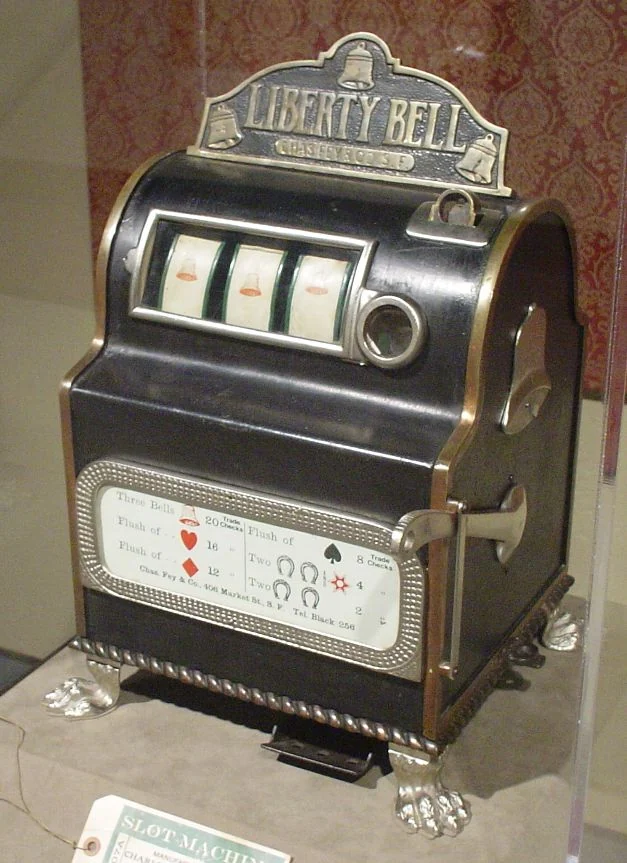
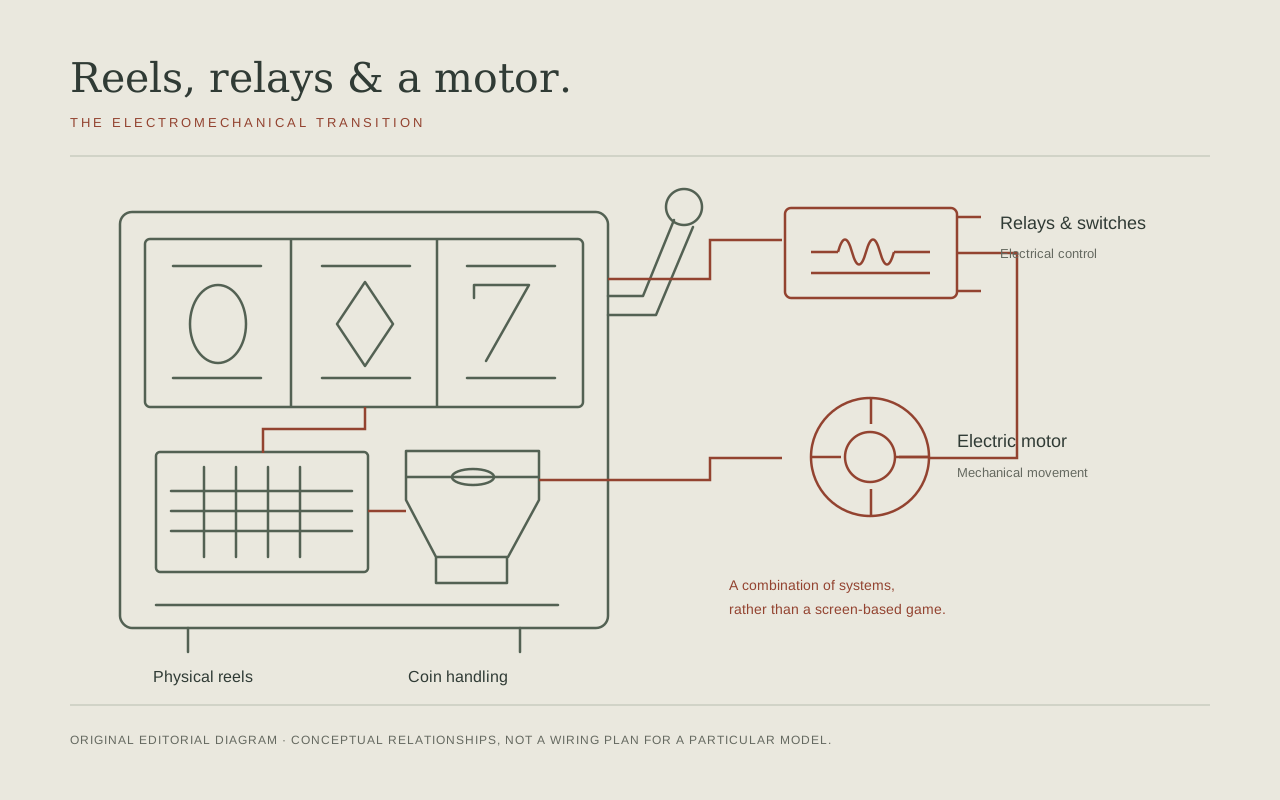
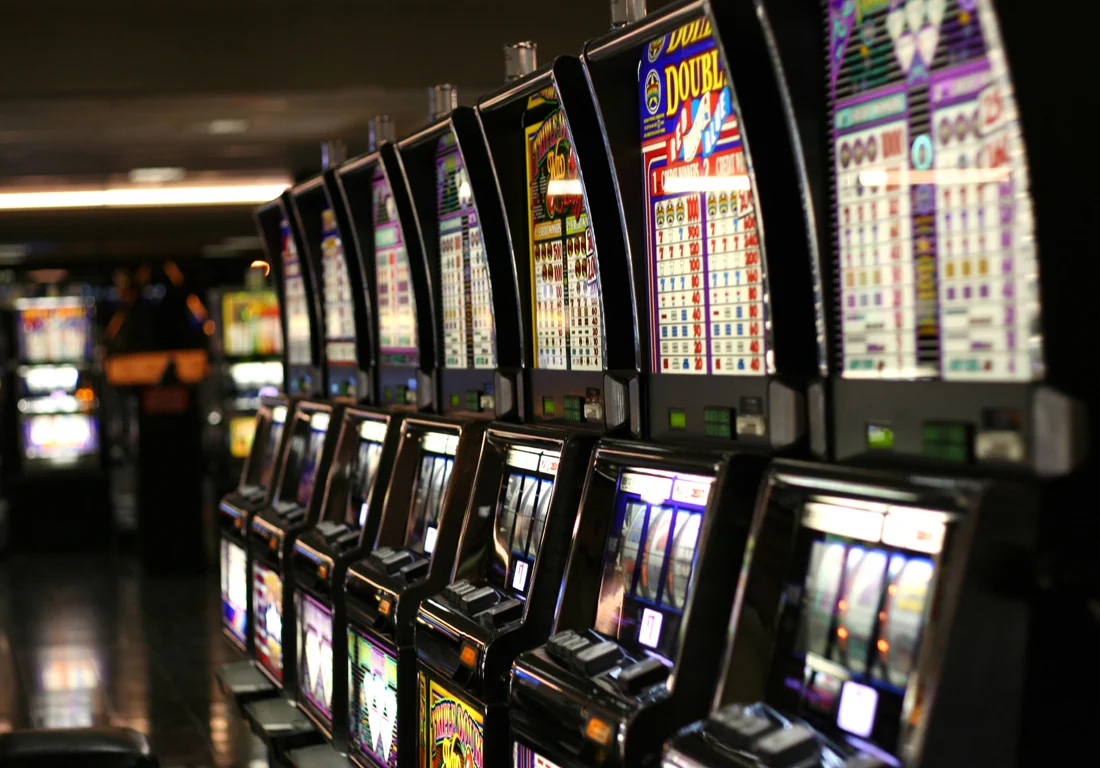
A screen is the visible part of digital equipment, but it is not the whole technical change. Software can separate what is displayed from the process that selects an outcome. A reel graphic on a monitor therefore should not be read as a literal view of moving physical reels.
The historical question shifts from how a mechanism moves to how a program behaves and how that behaviour can be checked. Cabinets become part of a history of computing as well as a history of gambling.
Editorial context and interpretation.
The museum object and its date
The Powerhouse dates the introduction of Queen of the Nile to 1998 and places it after the earlier arrival of electronic poker machines in the 1970s. Its interpretation discusses the combination of machine gambling and computer-game presentation.
A particular model is useful because it gives a broad technological story an identifiable object. It also makes visible the relationship between visual design and the experience of the user. Additional animation or apparent choice should not be confused with evidence that an unpredictable outcome can be controlled.
Section sources: [1] Powerhouse Collection
Testing moves into software
The Nevada Gaming Control Board’s Gaming Lab describes laboratory and field inspection and the analysis of electronics and software. The 2016 edition of the state’s integrity standard provides a historical example of formal requirements for random selection processes.
These records show regulation adapting to equipment that cannot be assessed only by watching physical parts. They do not turn a random game into a predictable one. For an Australian explanation of common misconceptions about electronic gaming machines, GambleAware provides a public education resource separate from this historical account.
Section sources: [2] Nevada Gaming Control Board, [3] Nevada, [4] GambleAware NSW
The people who built the electronic industry
The UNLV oral history of Ronald Lurie, recorded in 2016, discusses the development of video poker and the business environment around electronic gaming in the late 1970s. It adds a participant’s perspective to an account otherwise dominated by finished cabinets and technical standards.
Oral testimony is valuable for recovering work, decisions and remembered relationships. It also requires care: a later recollection is not automatically a precise date for the first invention of a technology. Reading it alongside a museum’s object record and a regulator’s documentary archive gives the digital transition several kinds of evidence. The result is a history of people and organisations, not simply a story in which screens replace reels.
Section sources: [5] UNLV Special Collections
Sources & further reading
Source links support the historical details in the sections indicated. Interpretive passages are labelled separately. Corporate histories are used for dated events, not recommendations.
- Powerhouse Collection — Queen of the Nile ↗
Museum object 2006/38/1; dates the model to 1998 and discusses the shift to screen-based games.
- Nevada Gaming Control Board — Gaming Lab ↗
Official description of device testing, field inspection and software analysis. The earlier Technology Division link now redirects to this laboratory page.
- Nevada — Technical Standard 1, 2016 edition ↗
Historical technical standard used to explain software-based randomness; not a statement of all current requirements.
- GambleAware NSW — Poker machines ↗
Public education on how electronic gaming machines work and common misconceptions.
- UNLV Special Collections — Oral history of Ronald Lurie ↗
2016 interview discussing electronic gaming and video poker. Oral testimony is contextual evidence rather than a precise invention record.
Links and historical details reviewed on 21 October 2026. A source may contain older figures or promotional language; neither is treated as current advice here.
Read our editorial policy →