Different institutions, different histories
An Australian account needs to distinguish a licensed casino from a registered club, a hotel and a gaming-machine manufacturer. The NSW Legislative Council’s 2014 report identifies the Gaming and Betting (Poker Machines) Act 1956 as the legislation that legalised poker machines in non-profit clubs in New South Wales. That was a particular state decision about particular premises, not a national opening of casinos.
Treating every change as part of one national event erases these differences. State records and dated legislation provide a firmer basis than the familiar story that gambling simply arrived with a famous resort.
Section sources: [1] NSW Legislative Council
Machines as Australian industrial objects
The Powerhouse holds an Apex machine made in Sydney and dated 1956–1960. Its physical description records the combination of a metal shell, painted surfaces and a wooden base. Such objects place local manufacturing and everyday venue interiors in the historical record.
A machine is more than an illustration of a game. Its materials, coin fittings and cabinet can reveal manufacturing choices and the conditions in which it was used. Museum dates also need careful reading: a production range is not necessarily the exact year in which a particular object first entered service.
Section sources: [2] Powerhouse Collection
The casino arrives in Hobart
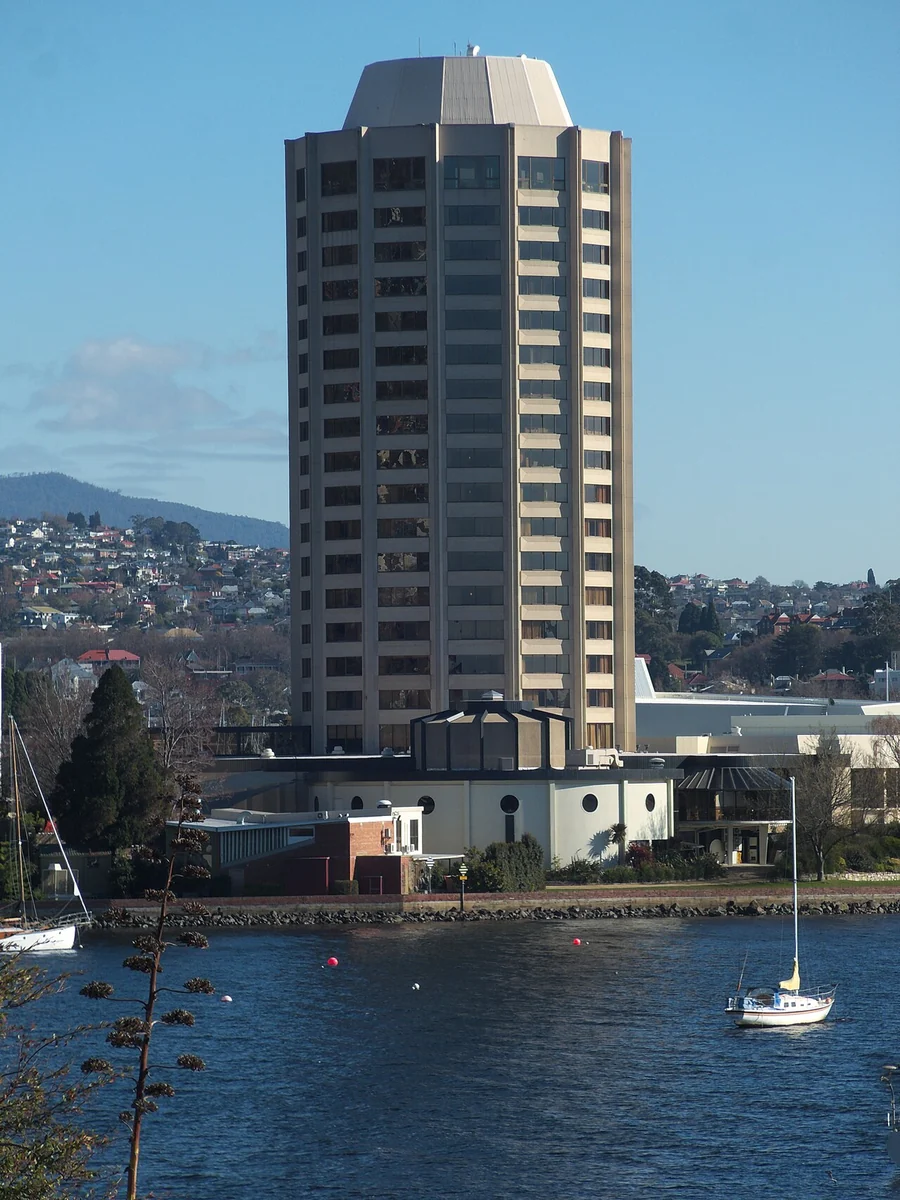
Wrest Point’s operator dates the Hobart casino’s opening to 10 February 1973. A study commissioned by Tasmania’s Department of Treasury and Finance independently records that Wrest Point began operating in 1973 and identifies Tasmania as the site of Australia’s first casino. The government report corroborates the year, while the operator’s history supplies the exact day. This was a milestone in legal casino development, rather than the beginning of Australian gambling.
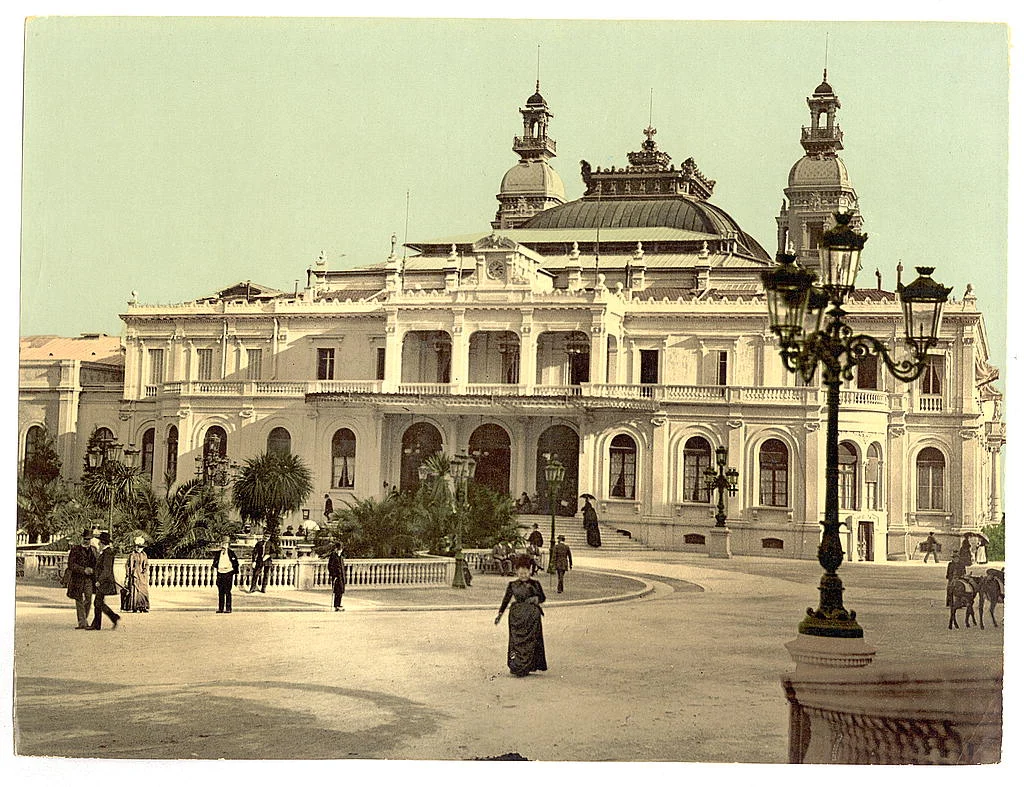
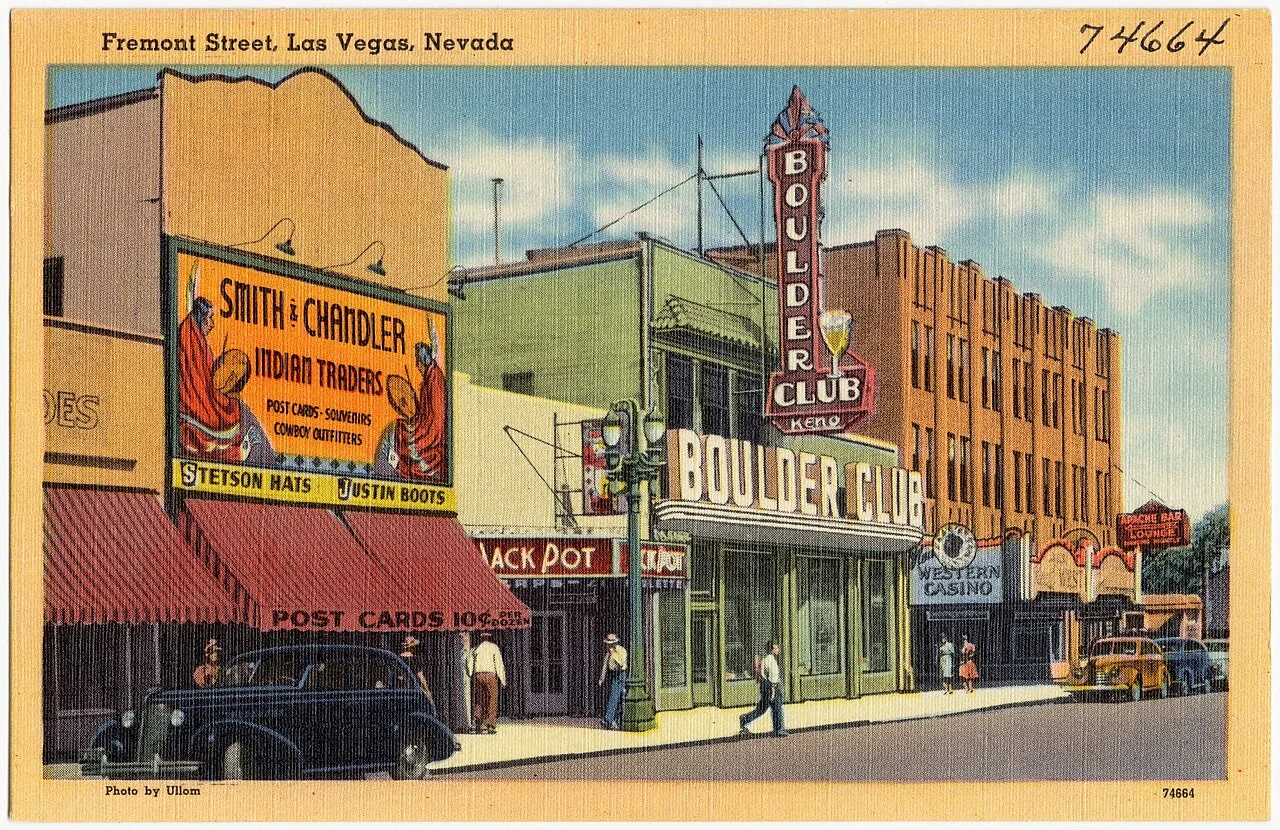
Placing Wrest Point beside the club-machine story shows why the Australian experience deserves its own section in a global history. Resort tourism, local social institutions and manufacturing did not develop at the same pace. Their intersection shaped a landscape that differs from Monte-Carlo, Nevada and Macao.
Section sources: [3] Wrest Point, [4] Tasmanian Treasury
A transition preserved in museum collections
Read together, the Powerhouse’s Apex, Jubilee and Queen of the Nile records create a material sequence. The first is a Sydney-made machine dated 1956–1960; the Jubilee example represents an electromechanical model from 1970–1980; Queen of the Nile was introduced in 1998. Their records document objects and models, not a uniform date when every Australian venue changed its equipment.
The comparison is informative because it connects public policy to things that had to be manufactured, maintained and housed. A legislative date establishes permission. An object record can show what a manufacturer actually produced in a particular period. Those forms of evidence complement one another, while neither should be used as a complete substitute for the other.
Section sources: [2] Powerhouse Collection, [5] Powerhouse Collection, [6] Powerhouse Collection
Sources & further reading
Source links support the historical details in the sections indicated. Interpretive passages are labelled separately. Corporate histories are used for dated events, not recommendations.
- NSW Legislative Council — The impact of gambling, 2014 ↗
Select Committee report, chapter 3, paragraphs 3.1–3.2, printed page 21: the 1956 legalisation of poker machines in non-profit clubs. Replaces a former research-paper address that now redirects to a general catalogue.
- Powerhouse Collection — Apex poker machine ↗
Museum record of a Sydney-manufactured machine dated 1956–1960.
- Wrest Point — Our history ↗
Operator’s historical account of the 10 February 1973 opening; cited only as a historical source.
- Tasmanian Treasury — Social and Economic Impact Study, volume 1 ↗
Government-commissioned report by the South Australian Centre for Economic Studies, June 2008, section 3.4, printed pages 27–28: Wrest Point began operating in 1973. The exact opening day is separately supported by the operator’s history.
- Powerhouse Collection — Jubilee poker machine ↗
Museum object 2008/72/1; documents Australian manufacture and electromechanical technology.
- Powerhouse Collection — Queen of the Nile ↗
Museum object 2006/38/1; dates the model to 1998 and discusses the shift to screen-based games.
Links and historical details reviewed on 21 October 2026. A source may contain older figures or promotional language; neither is treated as current advice here.
Read our editorial policy →